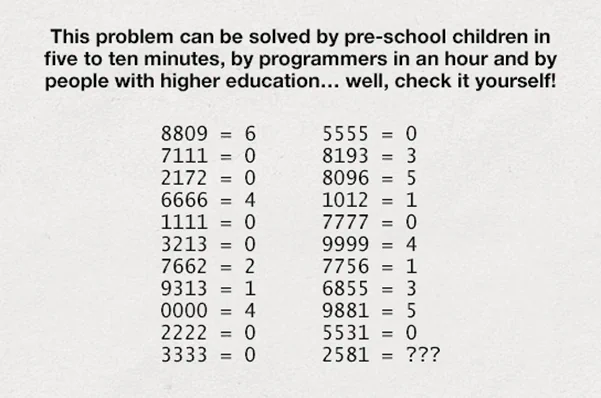



Sometimes it takes a widening of perspective to solve a problem in life or work. We can be so blinkered in following an ‘adult’ solution that we might miss what’s there in front of us.
Adopting a childlike stance, that we’ve probably long forgotten can really help, but it’s tricky.
So often, we go through life with an “I already know” mindset. “I already know” how to approach this challenge, which limits our view and potential range of solutions. This mindset can extend to our friends, family and work colleagues. For example – “I already know how they will respond” – so I don’t need to listen that carefully. But in this rush to assume we’ve heard it all and seen it all before, we miss the intricate details of the present moment. It was Abraham Maslow who said “If the only tool you have is a hammer, you tend to see every problem as a nail.”
The concept of beginner’s mind offers a refreshing perspective. It’s a skill we can develop, to experience a person, event or challenge as if we’ve never done it or seen it before (McKay, Wood, and Brantley 2019). Beginner’s mind invites you to ask yourself: What am I truly seeing, hearing, feeling right now? With this approach, you tune into the world without letting preconceptions cloud your perception. Instead of moving on autopilot, you start to notice what’s actually going on around you.
You might try to adopt a beginner’s mind with this problem.
In my work I’m seeking to cultivate psychological flexibility, which is the capacity to adopt different perspectives and notice when we’re stuck in habitual patterns, that aren’t always useful.
Good luck with the puzzle, please do contact me for clues or if you want to check your answer!